Latest Article
Nayakrishi farmers’ Seed Collection and Conservation
Method of seed collection and conservation: The Nayakrishi farmers always collect seed from matured fruits. Seeds are collected from selected plants. Selected plants are threshed separately for seeds. Extreme isolation and care is taken || Read This ArticleALL OTHER ARTICLES

Latest Nayakrishi Article
Kohinoor Begum: Nayakrishi brings prosperity
Ajmira Khatun, Coordinator, UBINIG Arshinagar Biddaghor met a Nayakrishi farmer at Shyampur village, Dashuria union, Ishwardi upazila, district Pabna. Her name is Kohinoor Begum. She received Nayakrishi training and other support long ago. Ajmira went to the village to select farmers for Nayakris || Read This ArticleALL OTHER ARTICLES

Other Articles
Covid-19 Bangladesh
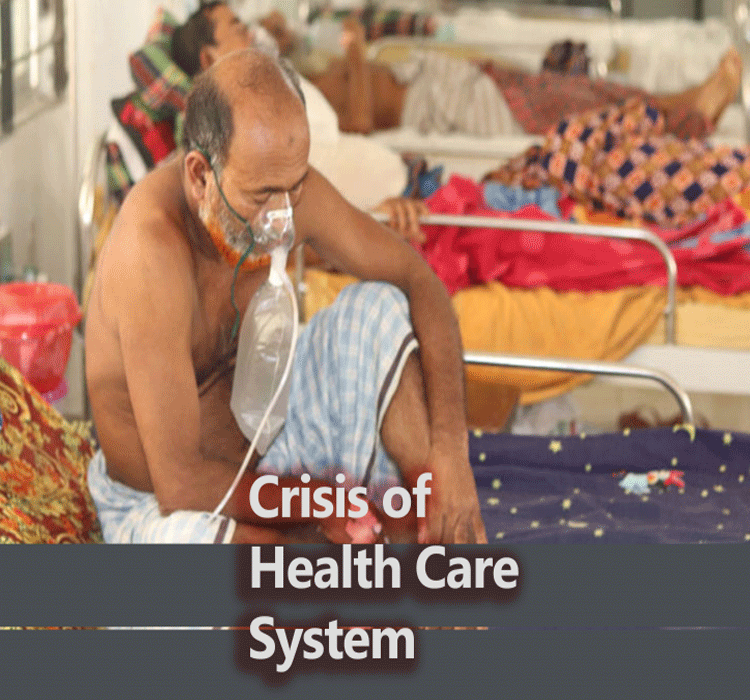
Oxygen crisis and the fault in our healthcare system
A lack of oxygen support systems in Bangladesh’s public healthcare system are a serious detriment in the battle against Covid-19 The government did not use the time they had over one year to enhance the facilities at the district hospitals with equipment and human resources. D ||Read This ArticleALL OTHER ARTICLES
Tobacco
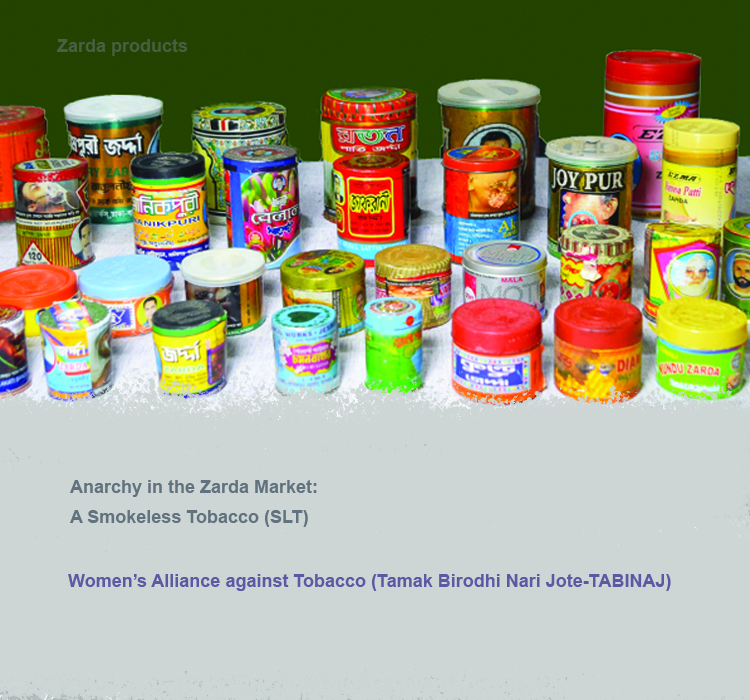
Anarchy in the Zarda Market: A Smokeless Tobacco (SLT)
As a part of its regular market monitoring activities, Tabinaj – the Women’s Alliance against Tobacco conducted a survey on a particular SLT product, namely Zarda, from July 11 to 20, 2023 in three marketplaces of the Dhaka city–Mohammadpur Town Hall Market, Krishi Market, and K || Read This ArticleALL OTHER ARTICLES
Development
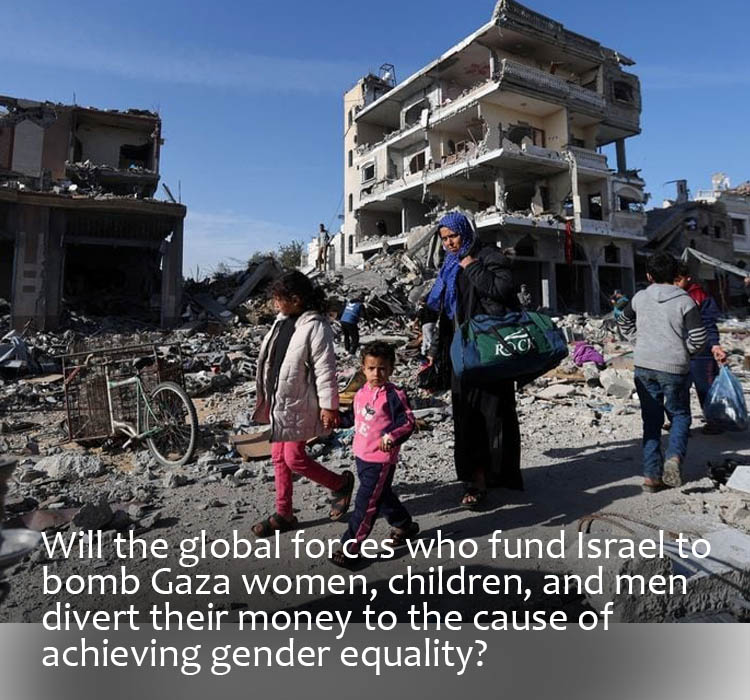
The 360 billion dollar question
THE goal of gender equality is lagging. According to Progress on the Sustainable Development Goals: The Gender Snapshot 2023, there is an alarming ‘$360 billion annual deficit’ in spending on gender equality measures. The reported deficit is quite striking to know in 2024, when we hav ||Read This ArticleALL OTHER ARTICLES
Enviornment & Ecology
A violence of modern agriculture
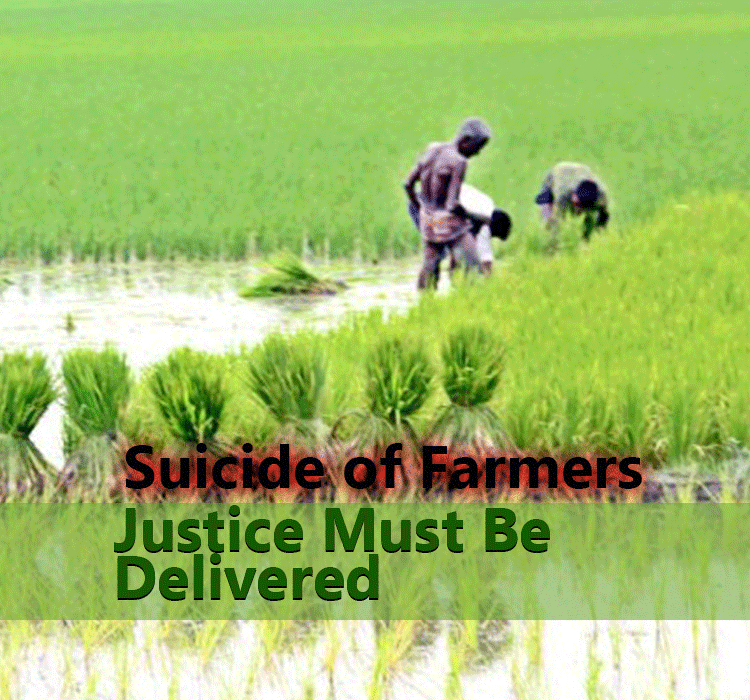
Farming in Bangladesh. — Wikimedia Commons TWO young farmers, Abhinath Marandi, 30, and Rabi Marandi, 27, at Godagari, Rajshahi committed suicide by taking poison (pesticide) near a Barind Multipurpose Development Authority deep tube well project at Iswaripur on March 23 as the tube || Read This ArticleALL OTHER ARTICLES
Biodiversity , Knowledge and Culture
Rice Diversity and Food Festival
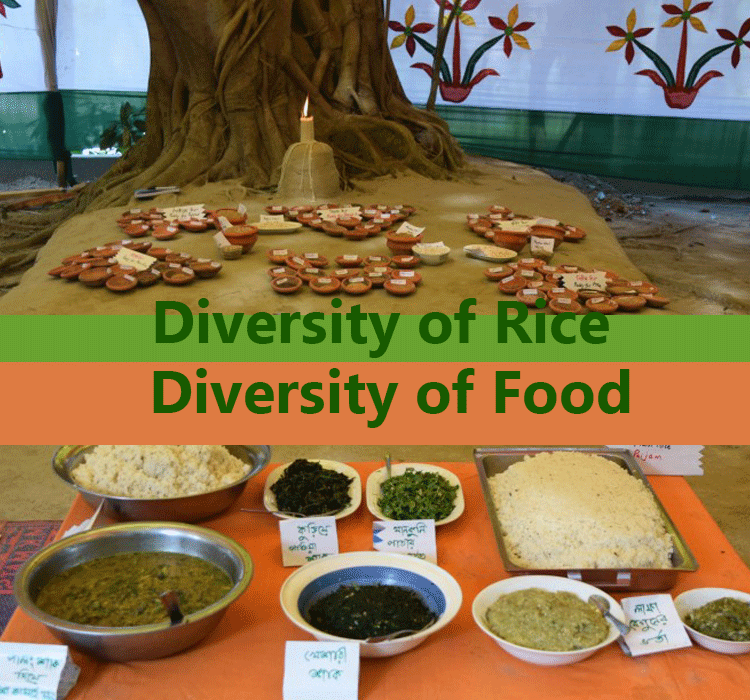
As seeds play a pivotal role in maintaining biodiversity in our ecology, Nayakrishi farmers’ movement has been emphasizing its role in preserving diversity of seeds through the Community Seed Wealth Centers. Farmers use diverse variety of seeds, particularly of rice, in the daily lives as w ||Read This ArticleALL OTHER ARTICLES
GMOs & Genetic Engineerings
Where is the proof of the safety of GMOs?
Do we have any proof of the safety of GM crops? If not, then please listen to those who are raising concerns The Business Standard published an article, "Despite opposition, GMO may be the way forward", on 9 May 2024, three days after the joint Press conference of UBINIG, BELA, Anti-GMO fo || Read This ArticleALL OTHER ARTICLES

Women's Issues
IVF: No surveillance for 'solution' business as women continue to bear brunt of infertility blame
1 August, 2023 In 1978, the birth of Louise Brown, the first in vitro fertilisation (IVF) or test tube baby, signalled the end of worries for infertile women in rich countries in the West. Here was a solution to fertility issues, a matter which often resulted in further trauma for women w ||Read This ArticleALL OTHER ARTICLES

Food Sovereignty
Mandatory fortification is not a solution for malnutrition
The global actors in the food business are now busy finding or creating markets for industrial food products. Countries with a large population, where laws and regulatory authorities are absent or weak, are generally targets. Categories such as ‘nutrition’, ‘micro-nutrients, etc || Read This ArticleALL OTHER ARTICLES

Btbrinjal & Corporate Politics
Bt brinjal: Alliance for Crooked Science & Corporate Lies
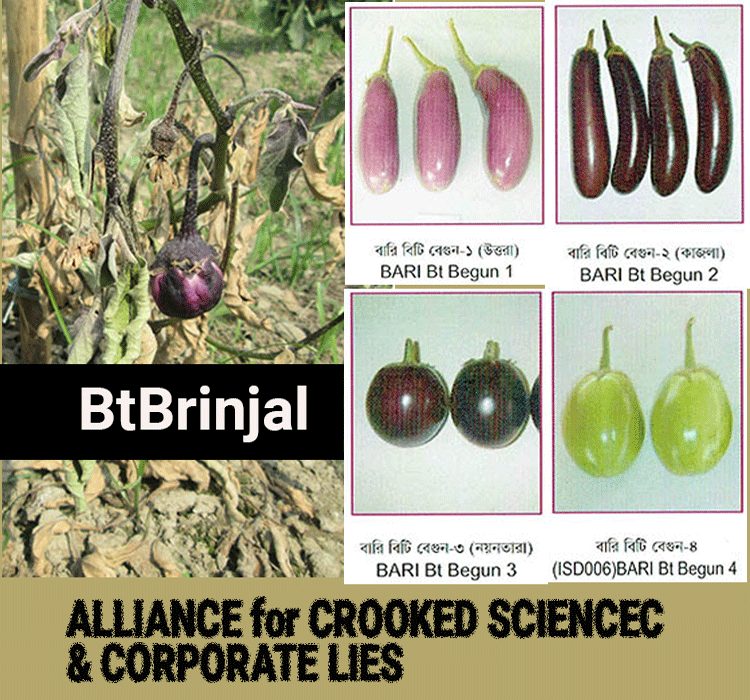
IntroductionBrinjals, locally called Begun (in Bangla) by the people of Bangladesh, are the most common and favourite vegetable. On 17 May, ||Read This ArticleALL OTHER ARTICLES
Climate Change
Untimely flood and the resilience of Nayakrishi farmers
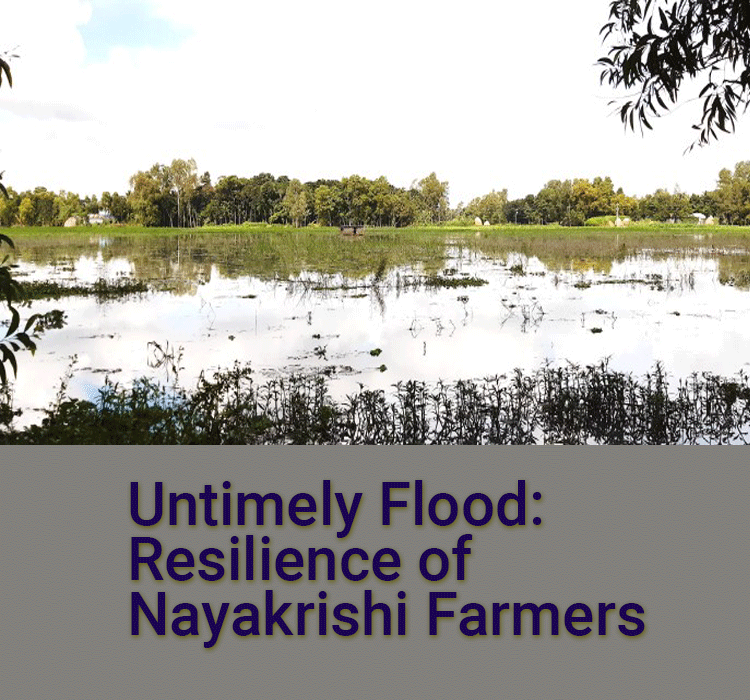
This is a report on the untumely flood of this year (2121) in the Nayakrishi Area of Delduar, Tangail. It shows that providing flood tolerant and flood resilient rice varieties through Nayakrishi Seed Network could be an effective strategy to cope with untime || Read This ArticleALL OTHER ARTICLES
New Reproductive Technologies
Commercialisation of women's infertility
Nobel Prize for IVF or dehumanizing technology? Robert G. Edwards is awarded the 2010 Nobel Prize for physiology/ medicine for the development of human in vitro fertiliz ||Read This ArticleALL OTHER ARTICLES

Rice
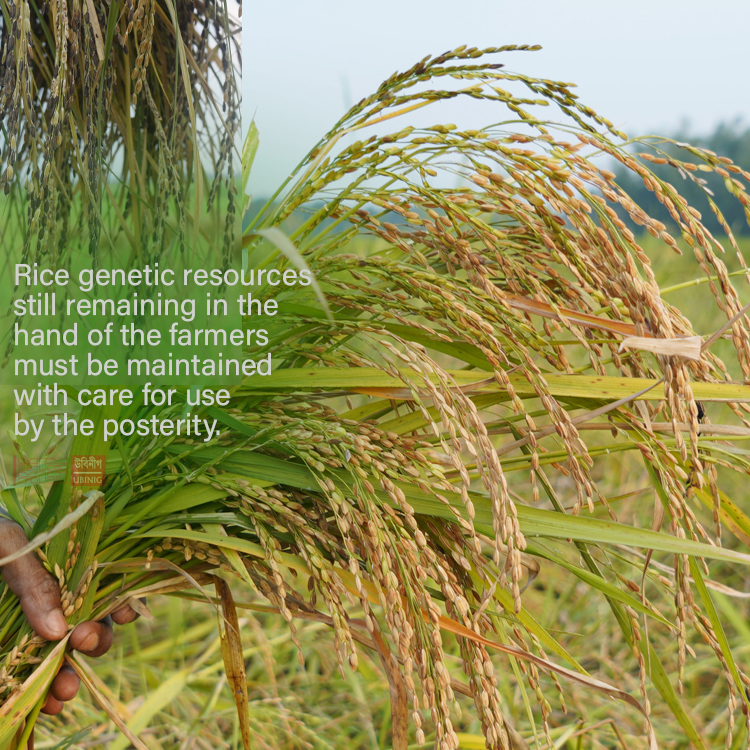
Wisdom and sense of beauty of the names of local rice varieties
Thousands of rice varieties were being cultivated in Bangladesh in the past. Even in early 1909 many thousands of varieties of rice were being grown. Humble beginning of rice research was initiated in then Dhaka center of the Bengal Department of Agriculture in 1909 under the leadership of Dr. He || Read This ArticleALL OTHER ARTICLES
Trafficking & Migration
Trafficking & Threat of US Sanctions
Trafficking & Free Movement of Labour: Bangladesh on Tier 2 Watch list! Bangladesh is placed on Tier 2 Watch List, according to the 9th Trafficking in Persons Report (TIP) 2009 published by the Department of State of the ||Read This ArticleALL OTHER ARTICLES

Health & Health Policy
COVID 19 Pandemic and Denial of Healthcare
In a country where health care facilities are already inadequate, how can the government and private hospitals are shutting down their medical services? A largely unnoticed, undeclared and sinister shut down of outdoor, indoor and emergency services raises serious questions about the right to hea || Read This ArticleALL OTHER ARTICLES

Maternal & Child Health
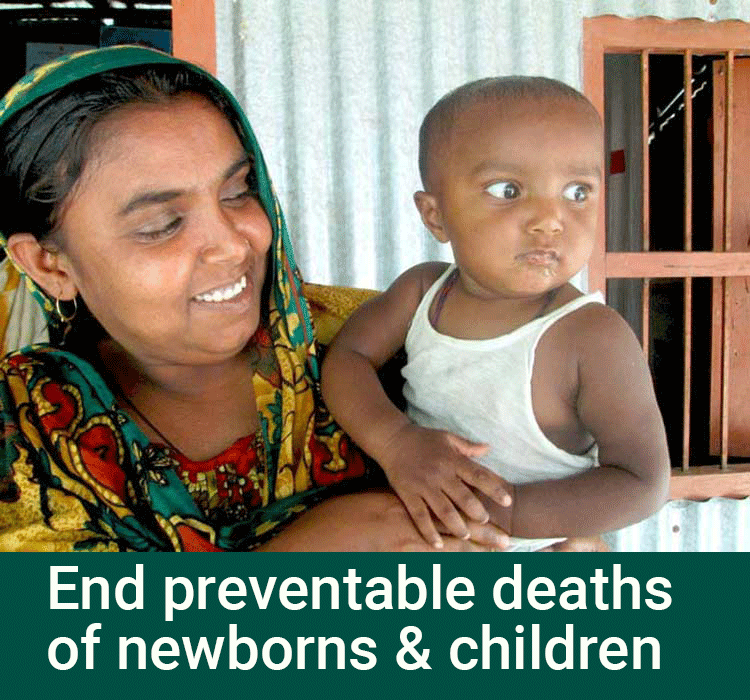
Maternal and child health care: Daighors & strategic services
Context of maternal health Reduction of maternal mortality rate is one of the most important health goals of the government of Bangladesh. The present rate of maternal mortality is 194 per 100,000 live births showing that Bangladesh cou ||Read This ArticleALL OTHER ARTICLES
Chatka, Bamboo Binding
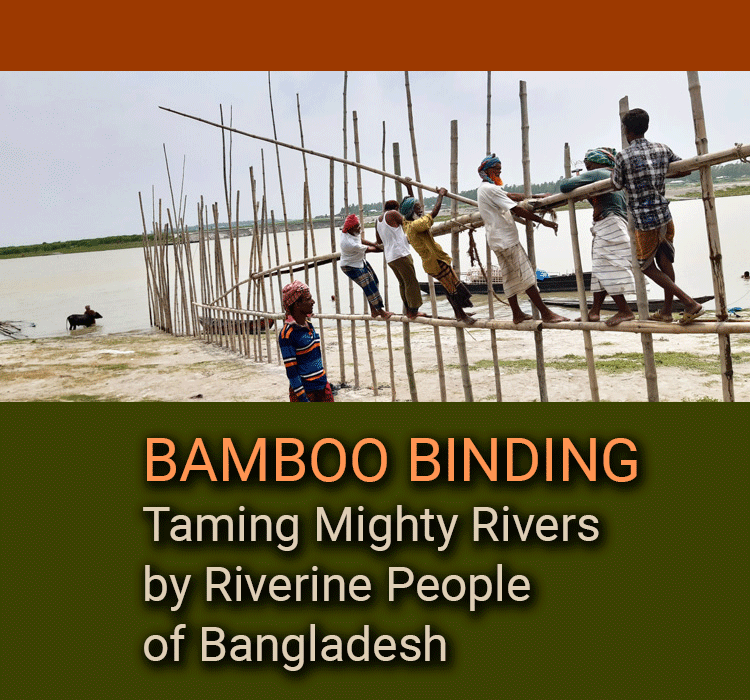
Construction of Bamboo Binding -Resisting River Erosion
Location: Bantiar, Sonatoni, Shahjadpur, Sirajganj Project: Nayakrishi farmers effort to combat disaster (river erosion, flood, drought and water logging) in the context of climate change and natural calamities. The work for cons || Read This ArticleALL OTHER ARTICLES
River & Floods
Seed & Crop Damages of Flood 2017 in Delduar
Flooding, first started in the northern bioregions of Bangladesh and gradually affected the middle sections, submerged more than a third of the low-lying country during July to September, 2017; it took away at least 132 lives and affected more than 7.5 million people. Crops on more than 10,000 he ||Read This ArticleALL OTHER ARTICLES

Nayakrishi Andolon
Nayakrishi farmers’ Seed Collection and Conservation
Method of seed collection and conservation: The Nayakrishi farmers always collect seed from matured fruits. Seeds are collected from selected plants. Selected plants are threshed separately for seeds. Extreme isolation and care is taken || Read This ArticleALL OTHER ARTICLES
Mangrove and Coastal Region
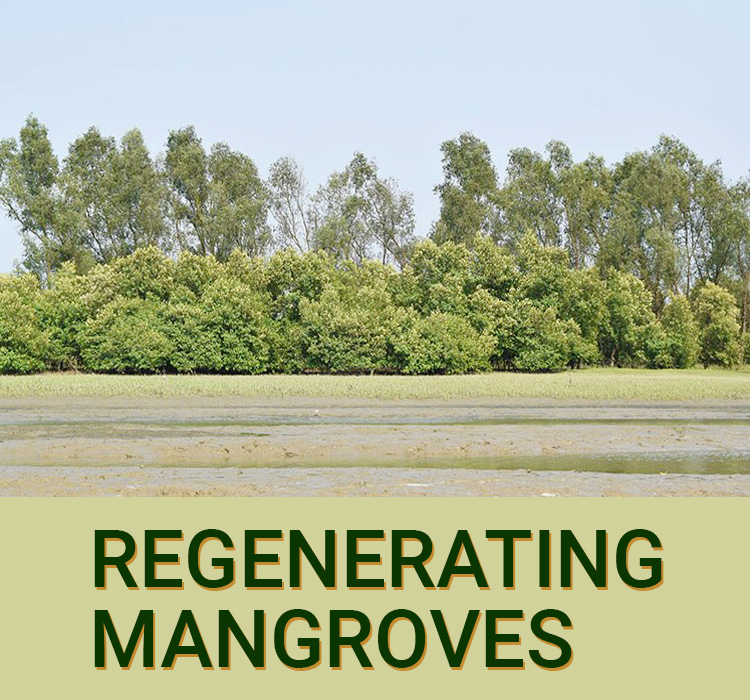
Protection of Mangrove forest
Badarkhali Union of Chokoria Upazila, Cox,sbazar district is located in between the Matamohuri river and the Maheskhali channel. This union is prone to cyclone and tidal surge. Heavy damage to life and property had happened due to the cyclone in 1991. Badarkhali Union is a part of the recently er ||Read This ArticleALL OTHER ARTICLES